
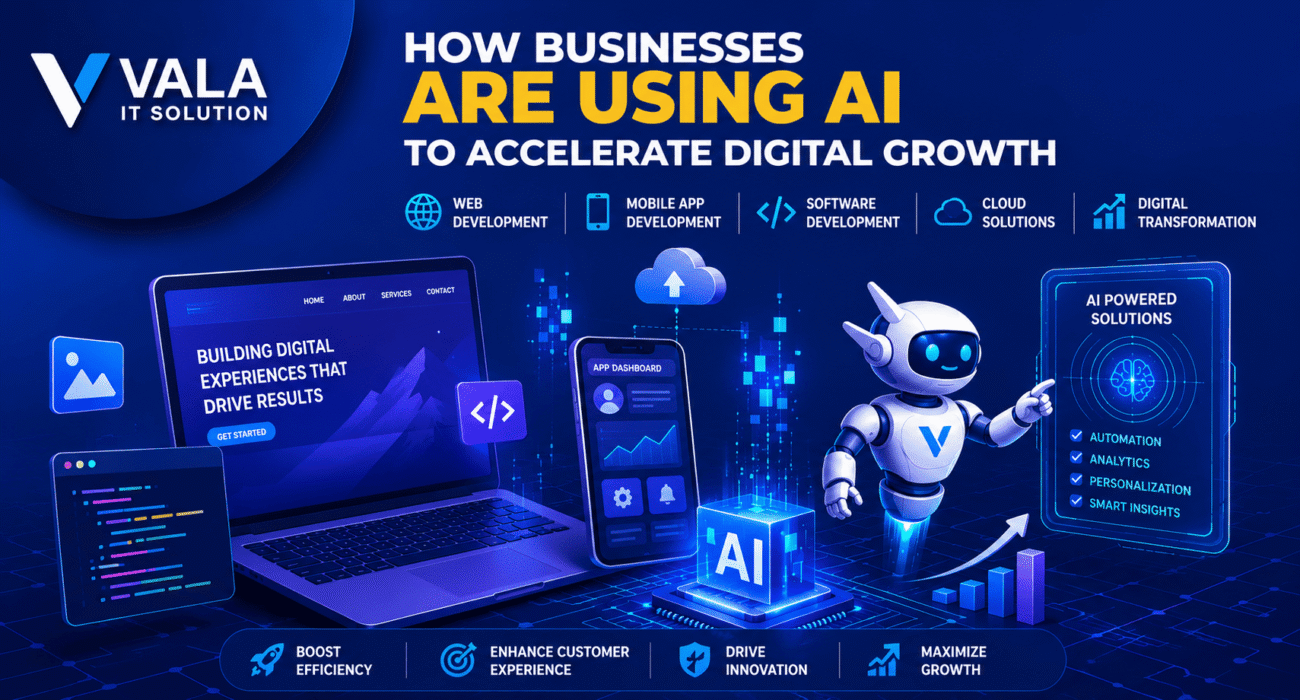
In today’s fast-paced digital marketplace, e-commerce businesses are constantly searching for innovative ways to increase sales, improve customer experiences, and stay ahead of the competition. One of the most transformative technologies driving this change is Artificial Intelligence (AI). From personalized product recommendations to intelligent customer support, AI is helping online retailers streamline operations, enhance customer engagement, and boost revenue.
AI has become a key component of modern e-commerce strategies. By analyzing large volumes of customer data, AI-powered systems can identify shopping patterns, predict customer preferences, and deliver highly personalized experiences. These insights enable businesses to tailor their marketing campaigns, optimize product offerings, and create seamless shopping journeys that encourage conversions and repeat purchases.
Whether through recommendation engines, chatbots, visual search tools, or predictive analytics, AI is reshaping the future of online retail. As consumer expectations continue to evolve, businesses that embrace AI-driven solutions are better positioned to improve customer satisfaction, increase sales, and maintain a competitive advantage.
Topics Covered
- Personalized Shopping Experiences
- AI-Powered Chatbots
- Visual Search and Image Recognition
- Advanced Search and Recommendation Systems
- Demand Forecasting and Inventory Management
- Fraud Detection and Prevention
- Voice Commerce
- Dynamic Pricing
- Conclusion
Personalized Shopping Experiences
One of the most significant benefits of AI in e-commerce is the ability to create personalized shopping experiences. AI algorithms analyze customer behavior, purchase history, browsing patterns, and preferences to provide tailored recommendations and relevant content.
By delivering personalized product suggestions, targeted promotions, and customized offers, businesses can increase customer engagement and improve conversion rates. Customers are more likely to make purchases when they feel that the shopping experience is designed specifically for their needs.
Benefits:
- Improved customer satisfaction
- Higher conversion rates
- Increased customer loyalty
- Enhanced user engagement
AI-Powered Chatbots
Customer service plays a critical role in e-commerce success. AI-powered chatbots have transformed how businesses interact with customers by providing instant assistance around the clock.
Modern chatbots can answer frequently asked questions, assist with product recommendations, track orders, process returns, and resolve common customer concerns. By automating routine support tasks, businesses can reduce response times while allowing customer service teams to focus on more complex issues.
Benefits:
- 24/7 customer support
- Faster response times
- Reduced operational costs
- Improved customer experience
Visual Search and Image Recognition
Visual search technology is changing the way customers discover products online. Instead of typing keywords, shoppers can upload images or use their smartphone cameras to find similar products within an e-commerce store.
AI-powered image recognition tools analyze visual elements such as color, shape, and style to identify matching or related products. This simplifies product discovery and helps customers find exactly what they are looking for more quickly.
Benefits:
- Faster product discovery
- Improved shopping experience
- Increased product visibility
- Higher conversion rates
Advanced Search and Recommendation Systems
Traditional search systems often struggle to understand customer intent. AI-powered search engines use natural language processing (NLP) and machine learning to deliver more accurate and relevant search results.
In addition, intelligent recommendation systems analyze browsing history, purchase behavior, and customer preferences to suggest products that customers are most likely to buy. These recommendations encourage cross-selling and upselling opportunities, increasing average order values and overall revenue.
Benefits:
- More accurate search results
- Better product recommendations
- Increased average order value
- Enhanced customer satisfaction
Demand Forecasting and Inventory Management
Efficient inventory management is essential for maintaining profitability and customer satisfaction. AI helps e-commerce businesses forecast demand by analyzing historical sales data, seasonal trends, customer behavior, and market conditions.
These predictive insights enable businesses to optimize stock levels, reduce inventory costs, and minimize stockouts or overstock situations.
Benefits:
- Improved inventory accuracy
- Reduced storage costs
- Better demand planning
- Enhanced operational efficiency
Fraud Detection and Prevention
As online transactions continue to grow, so does the risk of fraudulent activity. AI-powered fraud detection systems can monitor transactions in real time and identify suspicious behavior before it causes damage.
By analyzing customer activity, payment patterns, and transaction data, AI can detect anomalies and flag potentially fraudulent transactions for review.
Benefits:
- Enhanced security
- Reduced financial losses
- Improved customer trust
- Better risk management
Voice Commerce
The growing popularity of voice assistants such as Alexa, Siri, and Google Assistant has led to the rise of voice commerce. AI enables customers to search for products, place orders, and track deliveries using simple voice commands.
Voice commerce offers a hands-free and convenient shopping experience, making online shopping more accessible and user-friendly.
Benefits:
- Faster purchasing process
- Increased convenience
- Improved accessibility
- Better customer engagement
Dynamic Pricing
AI-driven dynamic pricing allows businesses to adjust product prices based on market demand, competitor pricing, customer behavior, and inventory levels.
By continuously analyzing market conditions, AI can recommend optimal pricing strategies that maximize revenue while remaining competitive.
Benefits:
- Increased profitability
- Competitive pricing
- Better market responsiveness
- Optimized revenue generation
Conclusion
Artificial Intelligence is transforming the e-commerce industry by enabling businesses to deliver personalized customer experiences, automate support services, improve product discovery, optimize inventory management, and strengthen security measures. From AI-powered recommendations and chatbots to demand forecasting and dynamic pricing, AI technologies provide businesses with powerful tools to drive growth and improve operational efficiency.
As competition in the online marketplace continues to increase, adopting AI is no longer optional—it is becoming essential for businesses that want to enhance customer satisfaction, increase sales, and maintain a competitive edge. Companies that successfully integrate AI into their e-commerce strategies will be better positioned to thrive in the future of digital commerce.